Trezor Suite: The Complete Guide to Secure Cryptocurrency Management
In the world of cryptocurrency, safeguarding digital assets is as critical as investing in them. One of the most trusted ways to secure cryptocurrencies is through hardware wallets, and Trezor has been a pioneer in this space. Trezor Suite is the official software companion for Trezor devices, including Trezor One and Trezor Model T, designed to help users manage their cryptocurrency portfolios securely and efficiently.
Unlike exchange wallets, Trezor Suite gives users full control over their private keys, allowing for true self-custody of assets. This guide explores Trezor Suite in detail, covering installation, login, security features, usage, troubleshooting, and best practices for keeping your cryptocurrencies safe.
What is Trezor Suite?
Trezor Suite is an application that connects to your Trezor hardware wallet to allow:
Portfolio management: Track balances, assets, and historical transactions.
Secure transactions: Send and receive cryptocurrencies safely.
App management: Access Trezor-specific apps for managing multiple blockchains.
Integration with third-party wallets and exchanges: Interact with decentralized finance (DeFi) platforms safely.
Firmware updates and recovery management: Keep the device secure and recover assets if needed.
Trezor Suite is available for Windows, macOS, Linux, and Web, giving users flexibility while ensuring maximum security.
Why Trezor Suite is Essential
Hardware wallets, by design, store private keys offline, making them resistant to online hacks. Trezor Suite complements the hardware wallet by providing a secure interface for transactions and portfolio management. Key benefits include:
Self-custody: You maintain full control over private keys.
Enhanced security: All critical actions require physical confirmation on the device.
User-friendly interface: Designed for both beginners and advanced users.
Multi-asset support: Compatible with Bitcoin, Ethereum, and hundreds of other cryptocurrencies.
Using Trezor Suite ensures that even if your computer is compromised, your funds remain safe.
Installing Trezor Suite
The first step to using Trezor Suite is installation. Here’s a step-by-step guide:
Download Trezor Suite: Always download from the official Trezor website to avoid phishing attacks.
Choose the version for your system: Trezor Suite is compatible with Windows, macOS, Linux, and there is also a web-based version.
Install the software: Follow the on-screen instructions to complete the installation.
Launch Trezor Suite: Open the application to begin the setup process.
It is crucial to ensure that the device you install Trezor Suite on is free from malware.
Setting Up Trezor Suite
1. Connect Your Trezor Device
Use a USB cable to connect your Trezor device to your computer.
Enter your PIN on the device to unlock it.
2. Initialize or Recover Wallet
New Users: Choose “Create new wallet” and follow instructions to generate a recovery seed.
Existing Users: Choose “Recover wallet” and input your recovery seed.
3. Secure Your Recovery Seed
Your recovery seed is a list of 12 to 24 words. It is the ultimate backup for your wallet.
Write it down on paper and store it in a secure location offline.
Never share your recovery seed online or store it digitally.
4. Set a Passphrase (Optional)
Trezor Suite allows adding an extra layer of protection via a passphrase.
This feature creates a “hidden wallet” accessible only with the passphrase.
It is optional but recommended for enhanced security.
Trezor Suite Login
Unlike traditional online wallets, Trezor Suite login does not rely on email or cloud accounts. Logging in essentially means connecting your Trezor device to Trezor Suite and verifying access via PIN and optional passphrase.
Login Steps:
Open Trezor Suite on your computer.
Connect your Trezor hardware wallet.
Enter your PIN on the device.
If applicable, enter your passphrase.
Once logged in, you can access all functions, including sending/receiving crypto, managing apps, and viewing your portfolio.
Security Features of Trezor Suite
Trezor Suite is designed with multiple security layers:
Hardware Wallet Confirmation: Transactions must be physically confirmed on the Trezor device.
PIN Protection: The device requires a PIN to unlock, preventing unauthorized access.
Recovery Seed: A backup phrase allows wallet restoration if the device is lost or damaged.
Optional Passphrase: Adds an extra layer of protection, creating hidden wallets.
Firmware Updates: Trezor Suite ensures your device firmware is always up to date to prevent vulnerabilities.
Encrypted Communication: All data between Trezor Suite and the device is encrypted.
These features ensure your crypto remains secure even if your computer or network is compromised.
Using Trezor Suite to Manage Cryptocurrency
1. Sending and Receiving Cryptocurrency
Receiving: Select the account, click “Receive,” and confirm the address on your Trezor device.
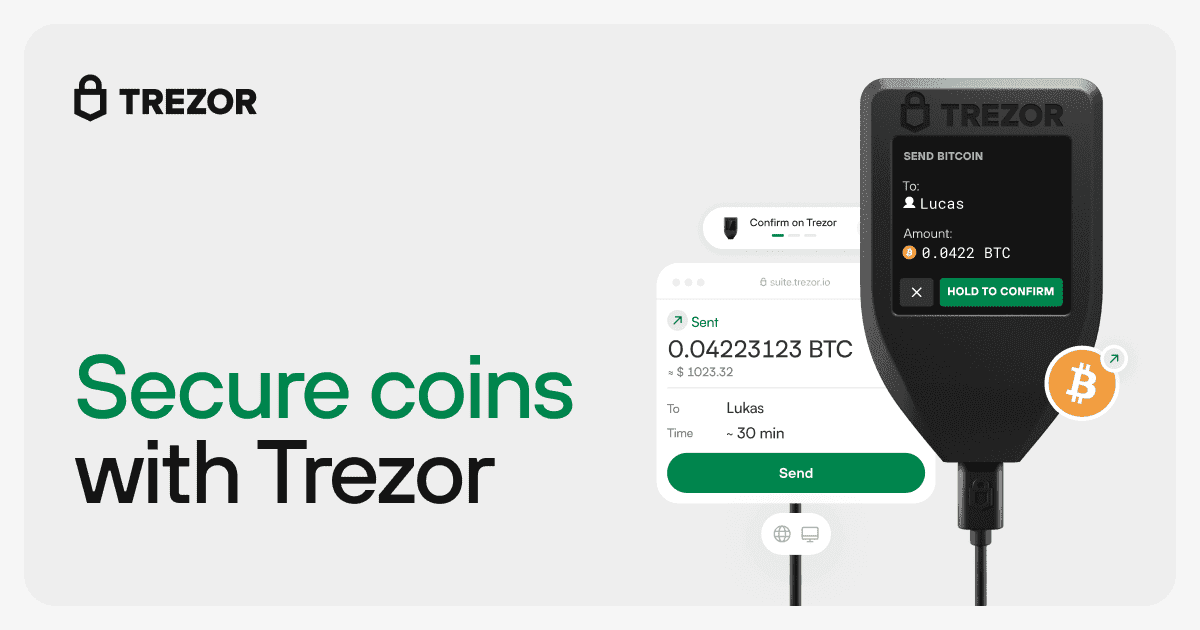
Sending: Select “Send,” enter the recipient address, confirm the amount, and approve the transaction on the hardware device.
All transactions require physical confirmation on the Trezor device, preventing malware or hackers from initiating unauthorized transfers.
2. Portfolio Management
Trezor Suite displays real-time balances of all supported cryptocurrencies.
Users can see transaction history, account allocation, and performance over time.
3. Multi-Asset Support
Trezor Suite supports Bitcoin, Ethereum, Litecoin, XRP, and hundreds of other coins and tokens.
Users can manage multiple wallets simultaneously, each with individual accounts and addresses.
4. Integration with Third-Party Apps
Trezor Suite can be connected to wallets like MetaMask and DeFi platforms.
This allows users to interact with decentralized applications while keeping private keys secure on the hardware device.
Troubleshooting Common Issues
1. Device Not Recognized
Ensure the USB cable works and is directly connected.
Restart Trezor Suite and reconnect the device.
Update Trezor Suite to the latest version.
2. PIN or Passphrase Errors
Ensure correct PIN entry; repeated incorrect attempts lock the device temporarily.
If a passphrase is used, double-check spelling and case sensitivity.
3. Sync Delays
Trezor Suite may take time to display updated balances.
Ensure your internet connection is stable and refresh accounts if needed.
4. Firmware Update Issues
Keep the device connected during updates.
Do not disconnect the device during the update process.
Trezor Suite on Multiple Devices
Trezor Suite can be installed on multiple computers:
Install Trezor Suite on each device.
Connect the Trezor hardware wallet and verify the PIN.
Portfolio data syncs automatically through the device.
Optional passphrases and app passwords must be entered per device.
This allows flexibility while keeping your crypto secure.
Trezor Suite vs Exchange Wallets
FeatureTrezor SuiteExchange WalletCustodySelf-custody (user controls keys)Exchange holds fundsSecurityPrivate keys offline, PIN, passphraseExchange stores keys onlineRecovery12–24 word recovery phraseAccount password/email resetMulti-Asset SupportHundreds of coins supportedDepends on exchangeVulnerability to HacksMinimal (offline keys)Higher (online storage)
Trezor Suite provides a secure, self-custody solution, unlike exchanges where you do not control the private keys.
Advanced Features in Trezor Suite
Passphrase Protection: Enables hidden wallets with enhanced privacy.
SegWit and Taproot Support: Advanced Bitcoin transaction features.
Shamir Backup (Trezor Model T): Advanced seed splitting for redundancy and security.
Integration with DeFi and Token Management: Safely manage Ethereum tokens, NFTs, and participate in decentralized finance applications.
Best Practices for Trezor Suite Users
Download Trezor Suite from the official website only.
Keep the recovery seed offline and secure.
Use a strong PIN and consider using a passphrase.
Keep device firmware updated to the latest version.
Verify addresses on the device before sending funds.
Avoid using public computers or unsecured networks.
Regularly back up recovery seeds and consider secure storage methods like fireproof safes.
Conclusion
Trezor Suite is a powerful and secure application for managing cryptocurrency portfolios. Paired with Trezor hardware wallets, it allows users to send, receive, and manage assets while maintaining full control of private keys. With advanced security features, multi-asset support, and integration with DeFi platforms, Trezor Suite is an ideal choice for both beginners and experienced crypto users.
Using Trezor Suite ensures:
True self-custody of digital assets.
Protection against malware and phishing attacks.
Access to advanced features like passphrase-protected wallets and DeFi integrations.
By following best practices and understanding Trezor Suite’s features, users can confidently manage cryptocurrency portfolios with maximum security and peace of mind.